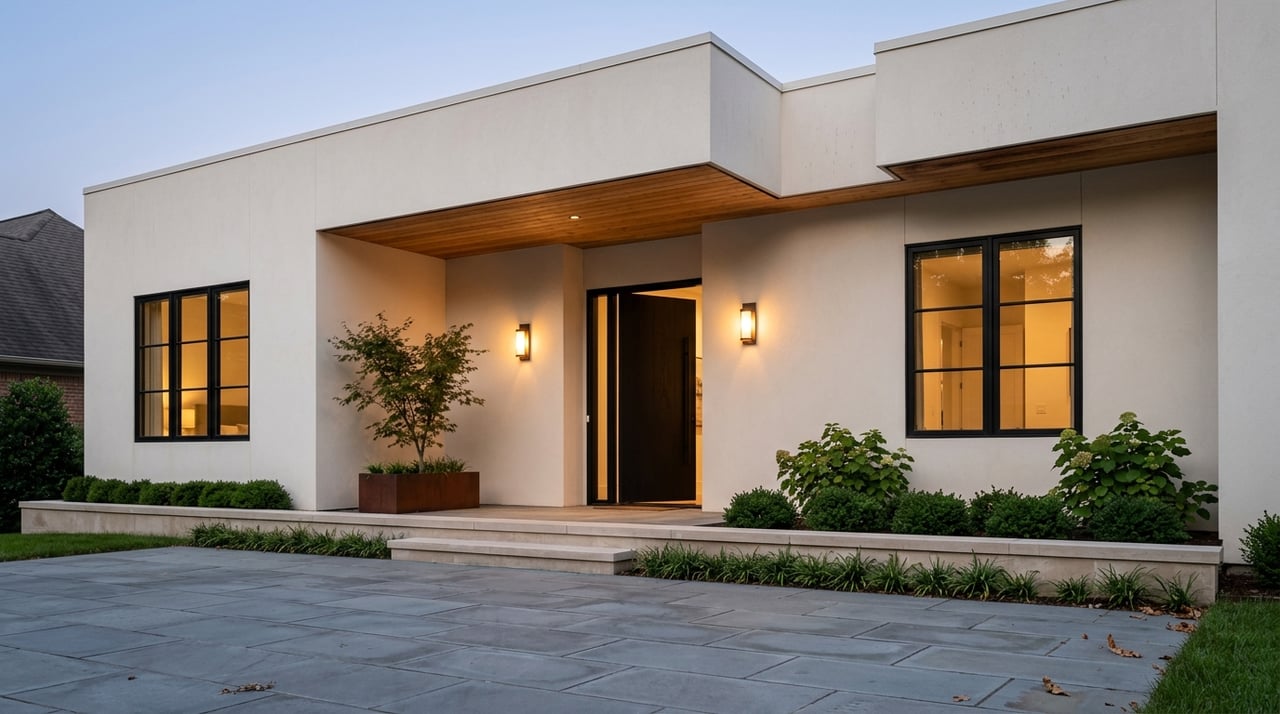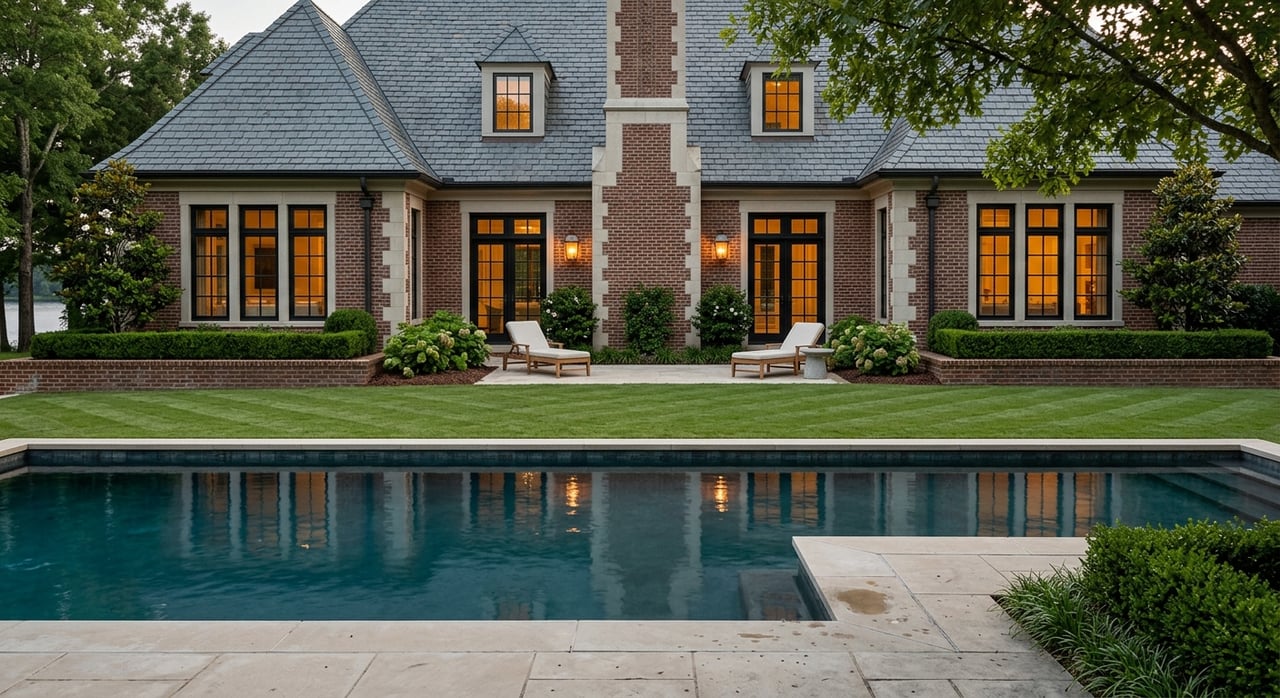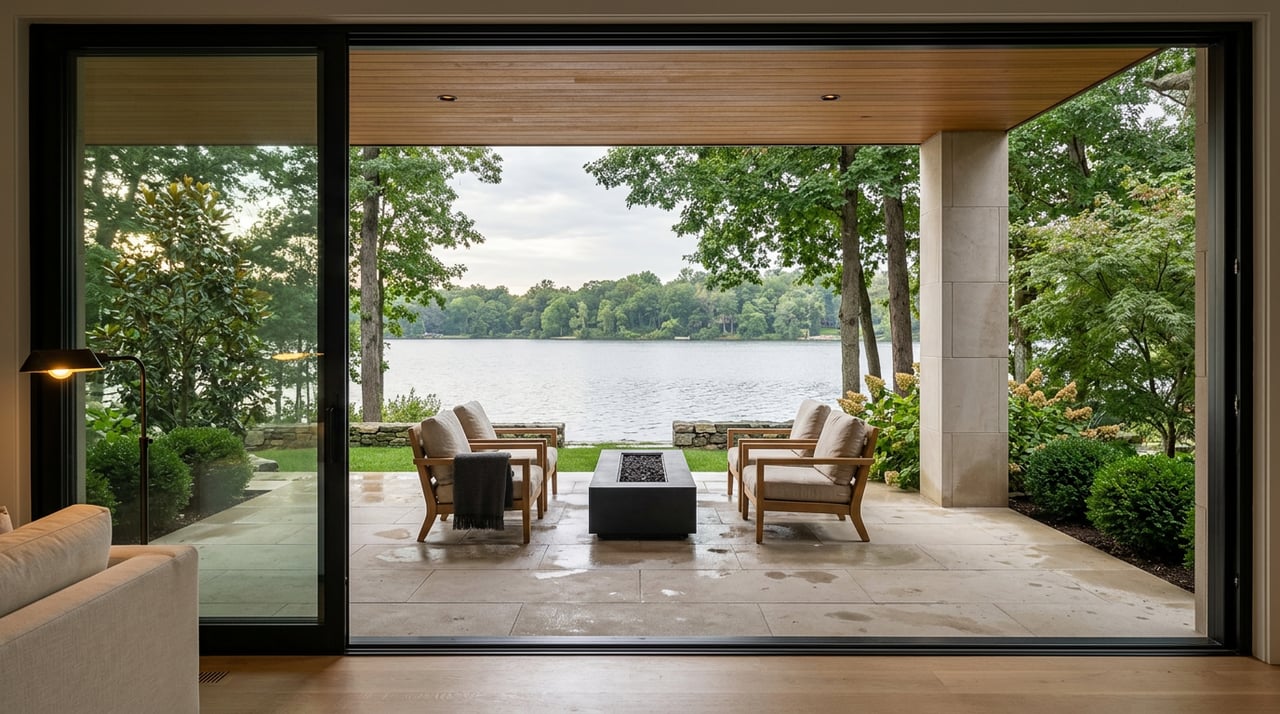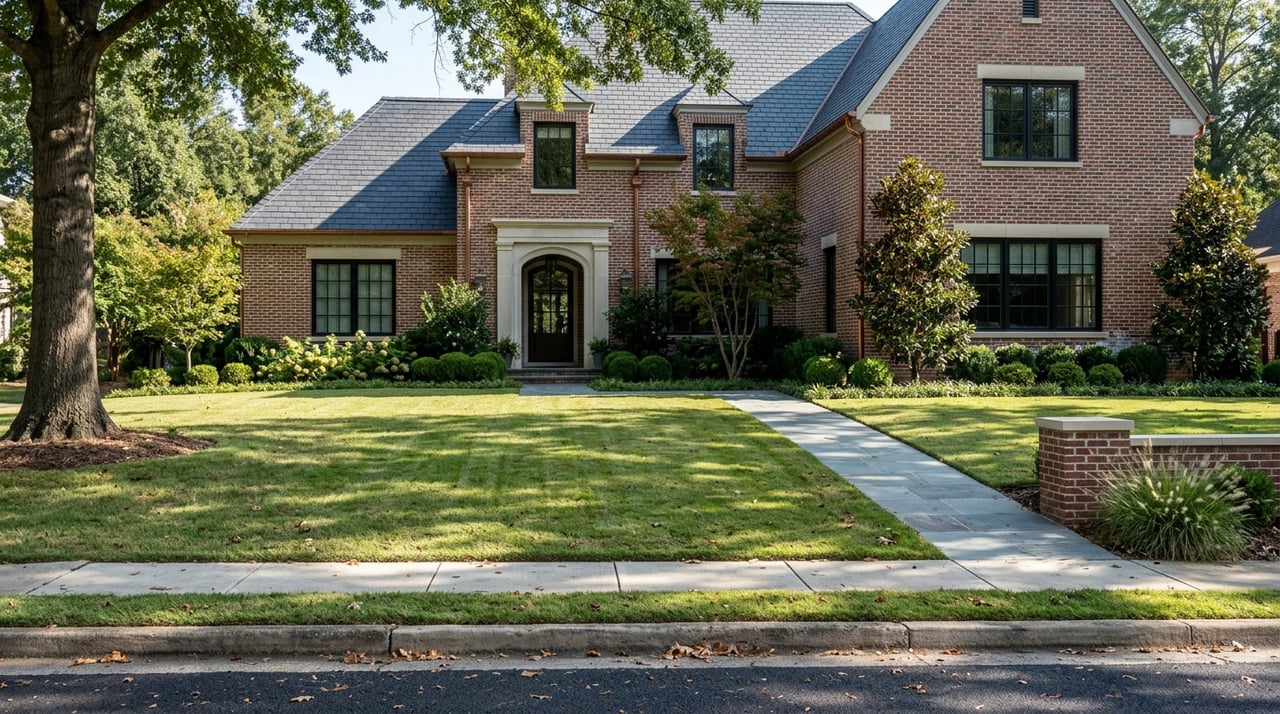
If you want Lake Norman access without committing to a fully waterfront lifestyle, Huntersville deserves a close look. It gives you a wider range of neighborhood styles than many buyers expect, from amenity-rich subdivisions to walkable mixed-use communities and quieter pockets with a more open, rural-edge feel. That variety is a big reason Huntersville appeals to both local movers and relocation buyers who want convenience, recreation, and flexibility in one place. Let’s dive in.
Why Huntersville Stands Out
Huntersville is a large suburban town in Mecklenburg County and part of the Charlotte metro area. The U.S. Census Bureau lists 61,376 residents in 2020 and estimates 67,087 residents in 2024, which helps explain its broader range of housing, shopping, and recreation.
Within the Lake Norman area, Huntersville often feels like the more active, convenience-driven option. Visit Lake Norman and regional market framing consistently position it as a town with strong retail presence, abundant recreation, and a larger suburban scale than nearby Davidson or Cornelius.
For many buyers, that means you can enjoy a lake-adjacent lifestyle while still having practical day-to-day access to shopping, trails, parks, and major routes. If your goal is balance, Huntersville has a lot to offer.
Three Common Neighborhood Styles
One of Huntersville’s biggest strengths is that it does not fit into just one mold. Local zoning patterns, development types, and existing communities point to three broad neighborhood personalities you are likely to encounter.
Established Subdivision Living
If you like neighborhood amenities and a more traditional suburban layout, Huntersville has many areas that fit that lifestyle. The town’s zoning framework supports conventional subdivision development, especially through General Residential and Neighborhood Residential districts, along with overlays that aim to preserve neighborhood pattern and scale, according to the Mecklenburg County zoning designations map.
In real life, that often translates to communities with pools, recreation features, open space, and a familiar neighborhood feel. Skybrook is one example, describing 1,100 acres, resort-type amenities, and 200 acres of open space, while Stephens Grove highlights a pool, tennis, basketball, playground, and access to walking trails through the adjoining preserve.
This style can work well if you want a neighborhood with built-in amenities and a strong sense of structure. It may also appeal if you are looking for a move-up home or simply want more predictable neighborhood planning near the lake.
Newer Planned And Mixed-Use Areas
Huntersville also has a more modern, connected side. The town’s planning framework includes districts intended for compact, pedestrian-oriented development and traditional neighborhood design, with interconnected streets, a recognizable center, and a mix of housing types, as outlined in the zoning designations report.
Birkdale Village is the best-known example of that pattern. It is widely recognized as a major destination with more than 70 retail stores and restaurants, and it reflects a mixed-use format that combines homes, office space, retail, and dining.
For buyers, this type of setting can offer convenience and energy. If you want to be closer to restaurants, shopping, and daily errands, or you prefer a more connected layout over a traditional subdivision pattern, this part of Huntersville may feel like the right fit.
Larger Lots And Rural-Edge Settings
Not every part of Huntersville feels suburban in the same way. The town still has areas shaped by Rural and Transitional Residential districts, which are intended to preserve open space and natural views while allowing lower-density residential forms, according to the county zoning map.
That planning context helps explain why some roads and outer sections of Huntersville still feel more spacious and less built out. Historic landmarks like Rural Hill and Ingleside reinforce that sense of place and remind you that parts of the town still carry a quieter, more open character.
If you are drawn to larger lots, more separation between homes, or a calmer road network, these edge areas may be especially appealing. This can be a strong option for buyers who want breathing room while staying connected to the broader Lake Norman market.
Lake Perks Without Waterfront Ownership
One of the best things about living in Huntersville is that you can enjoy the lake without living directly on it. That matters for buyers who want the lifestyle benefits of boating, paddling, and waterfront recreation while keeping more neighborhood options open.
Blythe Landing And Nearby Water Access
Huntersville’s main public Lake Norman access point is Blythe Landing Park. It offers six boat ramps, 218 trailer parking spaces, a playground, picnic areas, and access to Lake Norman Community Sailing for sailing, kayaking, and paddleboarding.
That setup gives you practical lake access for both casual weekends and more regular boating use. It is a meaningful perk if you want to launch easily without having to own a waterfront property.
Just beyond Huntersville, Ramsey Creek Beach on the Cornelius side adds another useful option. The 46-acre waterfront site includes a beach, boat launching, docks, a fishing pier, picnic shelters, a dog park, and trails.
Nature Access Beyond Lake Norman
Huntersville also benefits from Latta Nature Preserve, which provides canoe, kayak, and paddleboard access to Mountain Island Lake. It also includes the Quest Nature Center, with live animals, an aquarium, and educational programming.
This is part of what makes Huntersville more versatile than buyers sometimes expect. Your outdoor options are not limited to one shoreline experience, which adds variety to everyday life.
Greenways, Parks, And Daily Recreation
For many people, the value of a neighborhood is not just what is inside it. It is also about what you can do nearby on a normal weekday, not only on special weekends.
Mecklenburg County reports 85.5 miles of greenway trails, plus nature preserve and urban trails across the broader network. In Huntersville, the Vine Greenway runs 0.9 miles from NC 115 across from Town Hall to Arahova Drive, connecting downtown, Holbrook Park, Huntersville Elementary, and nearby commercial destinations on Statesville Road.
The McDowell Creek Greenway also reaches Birkdale Village, and regional reporting notes that the Torrence Creek Greenway extension will connect neighborhoods and tie into the Carolina Thread Trail. For residents, that means more ways to move through town without every outing starting in the car.
Indoor and active recreation are also easy to find. The Northern Regional Recreation Center includes a pool, waterslide, basketball court, athletic fields, walking track, fitness area, nature center, and child watch, while North Meck Park offers nearly 100 acres, sports fields, and a mountain bike trail.
How Huntersville Compares Nearby
If you are deciding between Huntersville, Cornelius, and Davidson, it helps to think in terms of lifestyle fit. Mecklenburg County describes Cornelius as a suburban town along Lake Norman and Davidson as a suburban town on the banks of the lake and home to Davidson College, while regional tourism sources describe Davidson as a small, close-knit college town with historic charm.
Huntersville tends to stand apart through scale and variety. Compared with those nearby towns, it offers a broader mix of neighborhood types, stronger retail concentration, and a recreation network that supports both daily convenience and weekend lake time.
That does not make it better for everyone. It simply means Huntersville is often the right match if you want a lake-adjacent address with more housing variety and a more active suburban rhythm.
Who Huntersville Often Fits Best
Huntersville can make sense for a wide range of buyers because it offers multiple ways to live near Lake Norman. You may find it especially appealing if you want:
- A neighborhood with amenities and established community features
- A more walkable, mixed-use setting near shopping and dining
- More lot space and a quieter setting on the town’s outer edge
- Lake access without the price point or maintenance of direct waterfront ownership
- Easy access to greenways, parks, and recreation as part of daily life
That flexibility is one of the town’s biggest advantages. Instead of forcing you into one version of lake living, Huntersville gives you options.
Finding The Right Fit In Huntersville
The best Huntersville neighborhood for you depends on how you want your day-to-day life to feel. Some buyers want amenities and activity, some want convenience and walkability, and others want more privacy and space while staying close to Lake Norman.
If you are exploring Huntersville as part of your move, it helps to look beyond price and square footage. Pay attention to neighborhood layout, access to trails and lake launches, nearby shopping and recreation, and how each area aligns with the lifestyle you want.
At Owning Lake Norman, we help buyers and sellers navigate Huntersville and the surrounding Lake Norman market with local insight and a concierge-level approach. If you are considering a move near the lake, we would be glad to help you narrow the options and schedule your private consultation.
FAQs
What is Huntersville known for in the Lake Norman area?
- Huntersville is known for its larger suburban scale, broad mix of neighborhood styles, strong shopping presence, and easy access to parks, greenways, and Lake Norman recreation.
What types of neighborhoods can you find in Huntersville?
- Buyers will commonly find three main styles in Huntersville: established subdivision neighborhoods, newer planned or mixed-use communities, and larger-lot or rural-edge settings.
Can you enjoy Lake Norman in Huntersville without buying waterfront property?
- Yes. Huntersville offers public lake access through Blythe Landing Park, and nearby Ramsey Creek Beach adds additional waterfront recreation and boat access options.
What outdoor recreation is available in Huntersville?
- Huntersville offers access to greenways, parks, boating, paddling, recreation facilities, and nature-focused destinations like Latta Nature Preserve and North Meck Park.
How does Huntersville compare with Cornelius and Davidson?
- Huntersville generally offers a broader suburban footprint, more retail and recreation options, and a wider range of neighborhood types, while Cornelius and Davidson are often associated with a more lakeside or small-town feel.