You pull up the comps before your listing photos are even scheduled. A few streets over in Vermillion, or across town in Bryton, a home just like yours has closed somewhere inside that community's advertised price range. You do the math against that number, price to match, and wait for the offers.
Then the showings slow. The offers that do come in ask for more than you expected. And somewhere in the fine print of that new-construction closing, buried in a section you never see on the MLS, sits a detail that would have changed your number entirely: the buyer got a rate buydown worth thousands of dollars, paid for by the builder, and the sale price on paper never moved.
That's the gap most Huntersville sellers don't know they're pricing against.
The Price On The Settlement Sheet Isn't The Price The Builder Gave Up
Builders have a structural reason to protect their list prices even when a home isn't moving. Cutting the price on one unit resets the comp for every home in the community, including the ones already under contract and the ones the builder still needs to sell at a profit. Freddie Mac's own guidance to appraisers acknowledges this directly, noting that lenders are seeing more sellers and builders offering additional concessions and rate buydowns to attract interest rather than lowering contract prices outright. The guidance goes further, instructing appraisers to adjust comparable sales for concessions precisely because the sale price on a settlement sheet can overstate what the property is actually worth once financing incentives are stripped out.
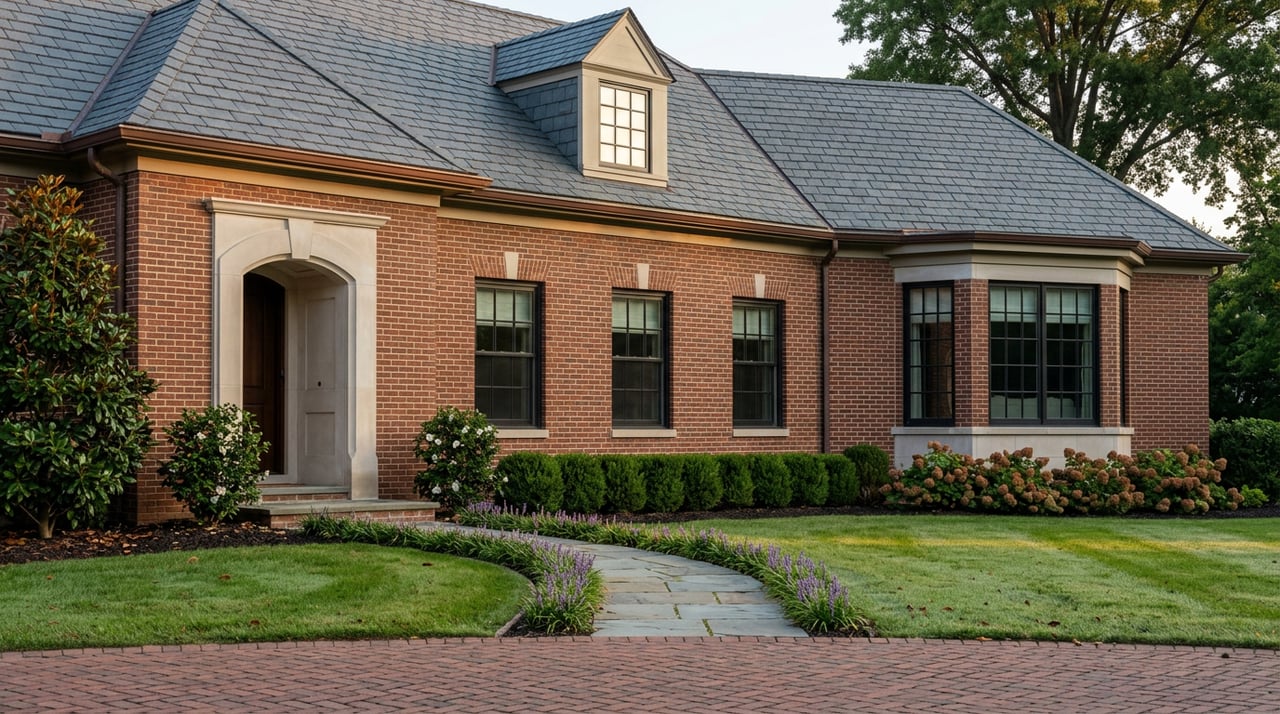
In Huntersville, this isn't abstract. Pulte's Bryton community has listed homes priced between roughly $519,990 and $721,945, with an HOA fee of $1,000 a year, and the builder has room to move buyers toward specific inventory homes without touching that sticker. Shea Homes is running the same play across its Amara Chase, Amara Run, and Lachlan Park communities, advertising up to $15,000 to $20,000 in additional value when a buyer finances through Shea Mortgage. None of that shows up as a discount on the recorded sale price. It shows up as a lower monthly payment, and it's the reason a builder's "sold" price can be functionally higher than what the buyer actually agreed to pay in real terms.
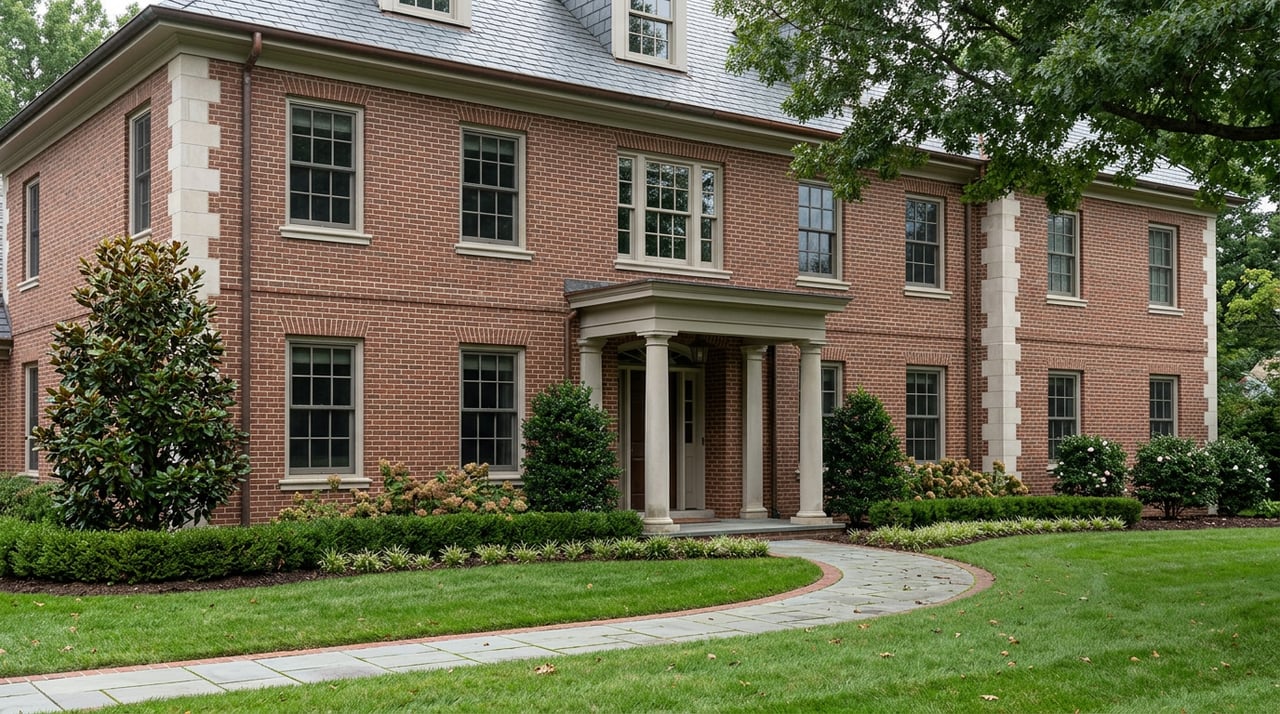
Vermillion adds another layer. With four separate builders active in that single community, including David Weekley and Ryan Homes, the incentive structure can vary from one street to the next inside the same subdivision. A comp pulled from one builder's release may not reflect the terms another builder is offering three lots away.
What That Gap Looks Like In Huntersville Right Now
The market data backs this up in a way that's easy to misread if you only look at the headline number. Over the three months ending in May 2026, Huntersville's median sale price sat at $575,000, essentially flat year over year, while median days on market climbed to 50 from 40 the year before. Homes are still selling close to list, averaging about 1% below asking, but they're taking longer to get there.
That slowdown isn't happening because buyers have less to spend. It's happening because more of what buyers can spend is being routed through financing incentives instead of showing up as a price cut. Mortgage industry reporting from as recently as June 2026 confirms the pattern nationally: with rates still running in the mid-6% to 7% range, builders are advertising rates well below market on select homes rather than trimming the sticker price, precisely because a price cut resets the comps for every other home in the community. Base prices in communities like Bryton run close to or above Huntersville's resale median. What's actually happening is that new-construction buyers are shopping the monthly payment a builder's financing incentive produces, not the sticker price, while resale sellers can only compete on the number printed on the listing.
That's the mechanism behind the widening days-on-market gap. A resale seller who prices to match a builder's advertised sale price is matching the wrong number. The buyer comparing both options is weighing your firm price against the builder's effective price after incentives, and on a monthly-payment basis, the builder is very often still winning.
Finding The Real Number Before You Set Yours
Getting to the real comp takes a little more digging than pulling the MLS sold price, but it's not out of reach.
- Ask your agent to request the buyer's closing disclosure terms on any nearby new-construction comp, not just the recorded sale price. Concessions and buydown costs are typically itemized separately from the contract price.
- Check whether the comp came with a design center credit. Large upgrade allowances can inflate a contract price without adding equivalent resale value, since appraisers are trained to test whether those upgrades appraise dollar for dollar.
- Look at how long that specific inventory home sat before the deal closed. Builders load the heaviest incentives onto homes that have been sitting, which tells you more about true market appetite than the closing price alone.
- Factor in the builder's HOA structure. Bryton's $1,000 annual fee, for example, is a carrying cost a resale buyer in an older, established HOA might not face, and it belongs in any apples-to-apples comparison.
None of this changes what your home is worth. It changes what number you're actually competing against when a buyer cross-shops your listing with a new build down the road.
The Carolina Paperwork That Changes Your Net Anyway
Even before builder competition enters the picture, North Carolina's transaction structure shapes what a Huntersville seller nets, and it's worth understanding before you set a price expecting to match anyone else's number.
North Carolina sales run on a Due Diligence Fee and period rather than a classic inspection contingency. That fee is paid directly to the seller, is typically nonrefundable once the effective date passes, and gives the buyer a negotiated window to inspect, appraise, and finalize financing before the sale becomes firm. A North Carolina real estate attorney's overview of these terms is worth reading in full if you haven't sold in the state before, since the due diligence structure changes how repair negotiations typically unfold compared to states that use a straight inspection contingency.
Every North Carolina sale also carries an excise tax of 0.2%, or $1 per $500 of sale price, a fixed cost that doesn't move regardless of how a deal is structured.
Then there's the age of your home. Inspection-related concessions in North Carolina run meaningfully higher on homes 15 years or older, often landing in the $5,000 to $12,000 range, compared to $1,000 to $3,000 on newer construction. That distinction matters for Huntersville's established communities such as Skybrook and Birkdale, built years before the current wave of new construction, where a buyer's repair request list is more likely to run longer than it would in a newly built Bryton or Amara Chase home regardless of how well the property has been maintained.
North Carolina's 2026 forms revisions also formalized how new-construction concessions and buyer agent compensation get documented, giving sellers clearer language for structuring their own concessions on a resale contract rather than leaving the terms informal.
Matching The Builder's Playbook Without Cutting Your Price
The good news is that the same tool builders use is available to you. A price cut and a targeted concession solve different problems for a buyer, and they aren't worth the same amount even when the dollar figure is identical.
| Approach | Effect on your list price | Effect on buyer's monthly payment | Effect on neighborhood comps |
|---|---|---|---|
| Price reduction | Lowers it directly | Modest reduction | Resets comps for the block |
| Closing cost credit | Stays the same | Frees up cash to close, indirect payment help | Comps unaffected on paper |
| Rate buydown (seller-funded) | Stays the same | Direct, often larger monthly reduction | Comps unaffected on paper |
A dollar applied to a rate buydown reduces a buyer's monthly cost more directly than the same dollar shaved off your asking price, because the buydown works against the interest line rather than simply trimming the loan amount. That's precisely why builders reach for buydowns and credits instead of discounts. Structuring a temporary or permanent buydown into your own offer, with the help of an agent who can put real numbers in front of a buyer's lender, lets you compete on the same terms a builder is offering without resetting the price your own neighborhood is measured against.
Frequently Asked Questions
Does a seller-funded rate buydown count against loan program limits? Yes. Seller and builder concessions are capped by loan type, with FHA generally allowing qualifying contributions up to 6% of the sale price and VA loans limiting certain concessions to roughly 4%. Your agent and the buyer's lender need to confirm the applicable cap before you structure an offer.
Will my own concession get flagged the same way a builder's does? It should, and that's a good thing for transparency. Appraisers are directed to adjust comparable sales for concessions and buydown activity regardless of whether the seller is a production builder or an individual homeowner, so a well-documented concession on your contract is treated the same as one three doors down.
Does my home's age really change what buyers will ask for? In North Carolina, yes, measurably. Homes 15 years or older see meaningfully higher inspection-related concession requests than newer construction, which is one more reason an established Huntersville home needs a pricing strategy built around its own condition and age, not a straight match to a five-year-old comp.
Pricing a resale against new construction takes more than a glance at recent sold prices. It takes knowing what's actually inside those numbers, and structuring your own offer to compete on the terms buyers are really shopping. If you're weighing a listing in Huntersville and want a second set of eyes on what your true comps look like once incentives are stripped out, Owning Lake Norman can walk through the numbers with you. Schedule Your Private Consultation and let's price it right the first time.