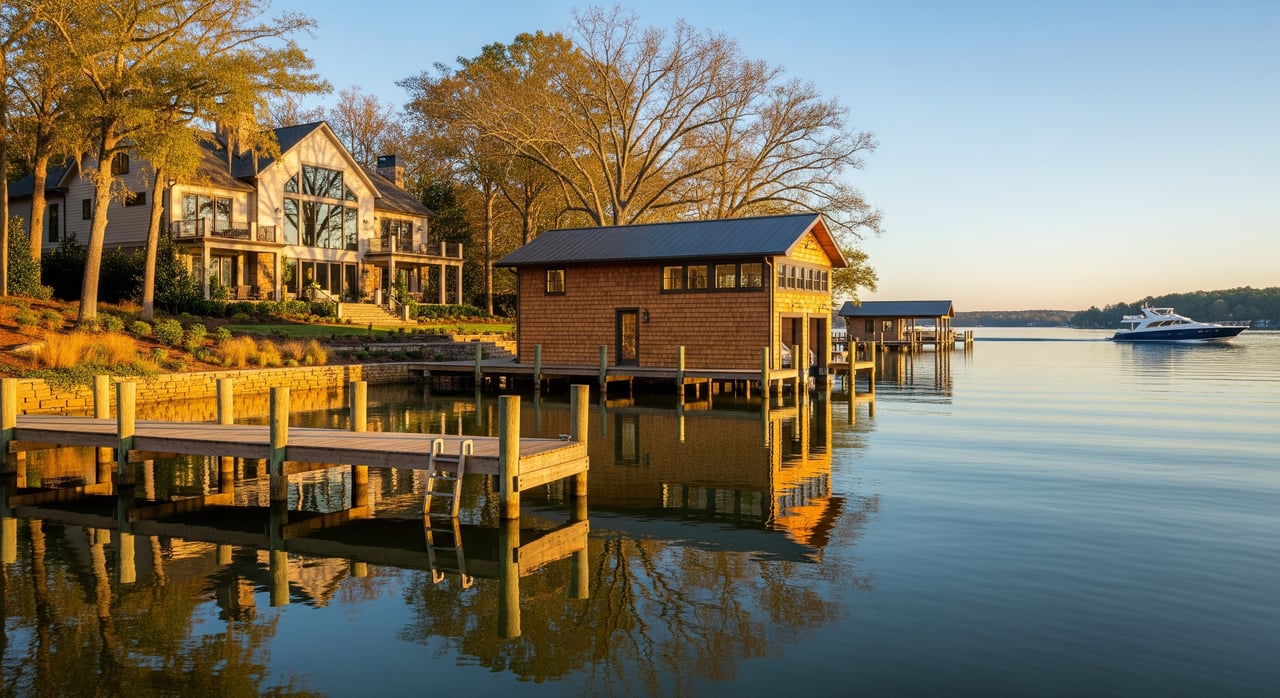
Big water views or a quiet, protected cove? If you are shopping Lake Norman waterfront in Huntersville, that choice shapes your day-to-day experience as much as the house itself. You want beautiful views, safe water for family and friends, and a dock that works for your boat and lifestyle. In this guide, you will learn the real tradeoffs between cove and main channel lots in Huntersville, plus a practical checklist to use when you tour properties. Let’s dive in.
What cove vs. main channel means in Huntersville
Local context you should know
Huntersville sits on the southern stretch of Lake Norman, the region’s largest man-made lake. The lake is a reservoir managed by Duke Energy, so water levels, shoreline work, and dock structures are subject to their rules as well as local permits. Many neighborhoods also have HOA covenants that set standards for docks, lifts, bulkheads, and exterior appearance. Huntersville’s shoreline includes older cottages, mid-period homes, and luxury new construction, and parcels range from narrow cove lots to broad main channel estates. Always confirm the exact municipal jurisdiction, since boundaries with Cornelius and Davidson can affect permitting and rules.
The tradeoffs that matter
Wave action and wake
- Main channel: More exposure to wind fetch and passing boat wakes. You can expect more movement at the dock and a higher risk of shoreline erosion over time.
- Cove: Calmer water and less through traffic. Swimming, paddle activities, and floating docks are often more comfortable.
What it means for you: Main channel exposure often calls for heavier dock design, more robust shoreline protection, and a larger maintenance budget. Coves typically reduce ongoing wave-related wear.
Privacy and noise
- Main channel: Panoramic views come with greater visibility from passing boats and shorelines across the water. Weekends and peak season can feel active.
- Cove: A more secluded feel with reduced boat noise. It is easier to create a private swim or play area near the shore.
Dock usage and boat access
- Main channel: Quick access to primary navigation routes and long lake trips. Often preferred for larger boats and owners who want immediate launch and go.
- Cove: A short cruise to the main channel is common and fine for most recreational boating. Depth can vary, so verify the channel depth and approach for your boat size.
Practical tip: Pay attention to the types of vessels neighbors use and how long it takes to reach the nearest marina or boat ramp.
Views and natural light
- Main channel: Long sightlines and dramatic sunrises or sunsets depending on lot orientation. These views often increase perceived desirability and market appeal.
- Cove: More intimate, tree-framed views that can feel cottage-like and private. Sightlines can be limited compared to big water panoramas.
Safety for swimmers and kids
- Main channel: More boat traffic increases the risks for swimmers and smaller watercraft. Limited or no-wake zones and careful supervision matter.
- Cove: Generally safer and calmer for swimmers, paddleboards, and children due to reduced traffic and wave action.
Resale and marketability
- Main channel: Historically commands a pricing premium and broad buyer appeal because of big water views and convenience.
- Cove: Attracts buyers who prioritize privacy, lower maintenance, and family-friendly water. While the buyer pool can be more specific, demand is strong for the right fit.
How to evaluate a lot in Huntersville
Use this checklist when you tour or review listings. Some items require a marine contractor, surveyor, or local officials to confirm.
Property and site
- Shoreline orientation: Identify whether the shoreline faces east, west, north, or south to understand wind, sun exposure, and potential sunsets.
- Distance to main channel: Note boat travel time and visibility to navigational routes.
- Shoreline type: Natural bank, riprap, bulkhead, or seawall. Check condition and age.
- Dock presence and condition: Layout, depth at low water, lift capacity, materials, and whether permits exist for current structures.
- Water depth at dock and approach: Ask for soundings at low lake levels to validate your boat’s clearance.
- Fetch and exposure: Look for long, open stretches of water that can build waves.
- Adjacent uses: Proximity to marinas, boat launches, and popular boat lanes that can increase traffic and noise.
- Shoreline structures and easements: Confirm any public or neighbor access that could affect your privacy or future plans.
- Vegetation and tree line: Consider how trees affect privacy, shade, and leaf drop into the water.
Regulatory and technical
- Permits and covenants: Verify existing permits for docks and shoreline work, and review HOA rules for docks, lifts, and exterior changes.
- Reservoir rules: Duke Energy governs lake levels and shoreline structures on Lake Norman.
- Flood and insurance: Check floodplain status and any history of flooding. More exposed shorelines can influence insurance needs.
- Utilities and septic or sewer: Confirm sewer availability or septic capacity. This affects renovation and expansion plans.
- Setbacks and buildable area: Ensure the lot can accommodate your desired home and dock within required setbacks.
Lifestyle and operations
- Boat traffic and peak times: Visit on weekdays and weekends to understand real activity levels.
- Noise assessment: Check mornings, afternoons, and evenings for a full picture.
- Mooring and storage: Plan for lifts, shore storage, and whether you need covered slips elsewhere.
- Neighbor density: Assess spacing and visibility from water to yard.
Financial and resale
- Market comparables: Review recent sales of cove and main channel parcels in Huntersville and nearby towns to gauge premiums.
- Maintenance estimates: Factor in dock upkeep, shoreline stabilization, and insurance differences due to wave exposure.
Who to bring
- Local marine contractor to evaluate dock feasibility and depth.
- Licensed surveyor to confirm boundaries and easements.
- A real estate agent who specializes in Lake Norman waterfront.
- Town or county permitting contact and, if applicable, your HOA administrator.
Typical orientations and home styles
Lot orientations around Lake Norman
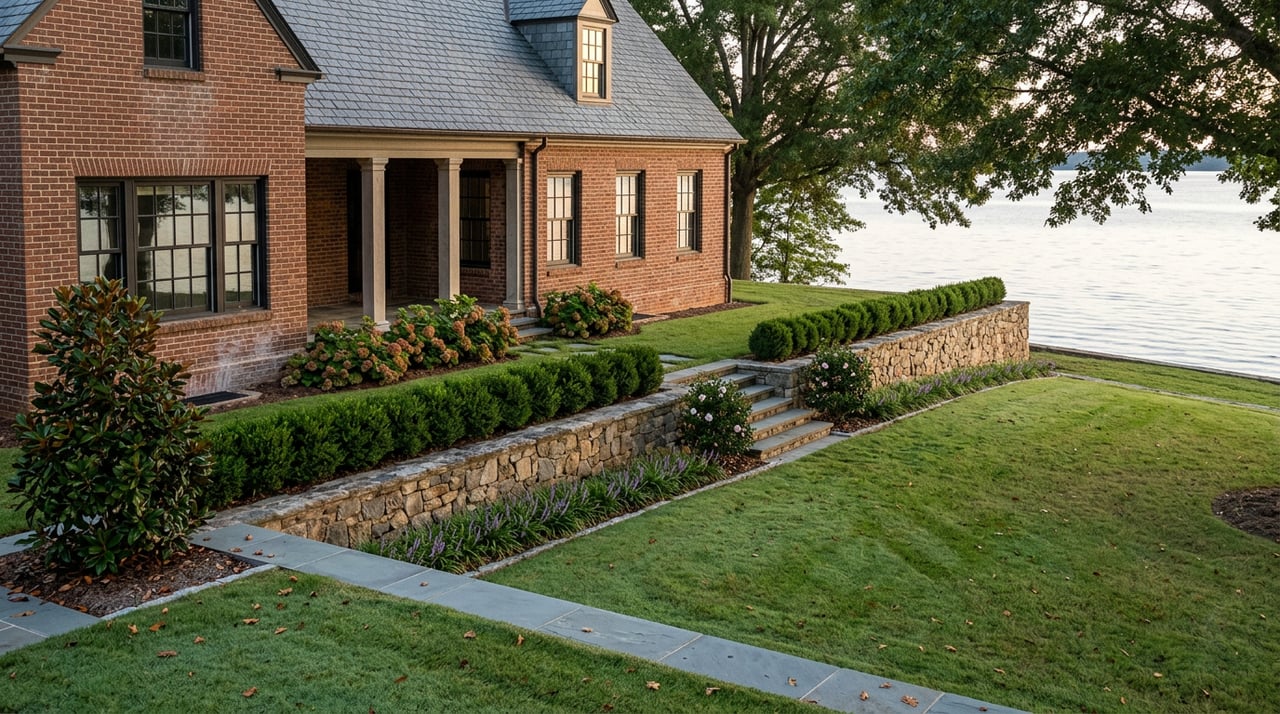
- Main channel: Often wider frontage with long, straight sightlines. Some lots are elevated with terraces stepping down to the water, while others are relatively flat. Many face west or southwest for sunset potential, though orientations vary.
- Cove: Often narrower frontage with deeper inland dimensions that create long backyard corridors. Interior coves can have tree cover that heightens privacy.
Homes, decks, and outdoor living
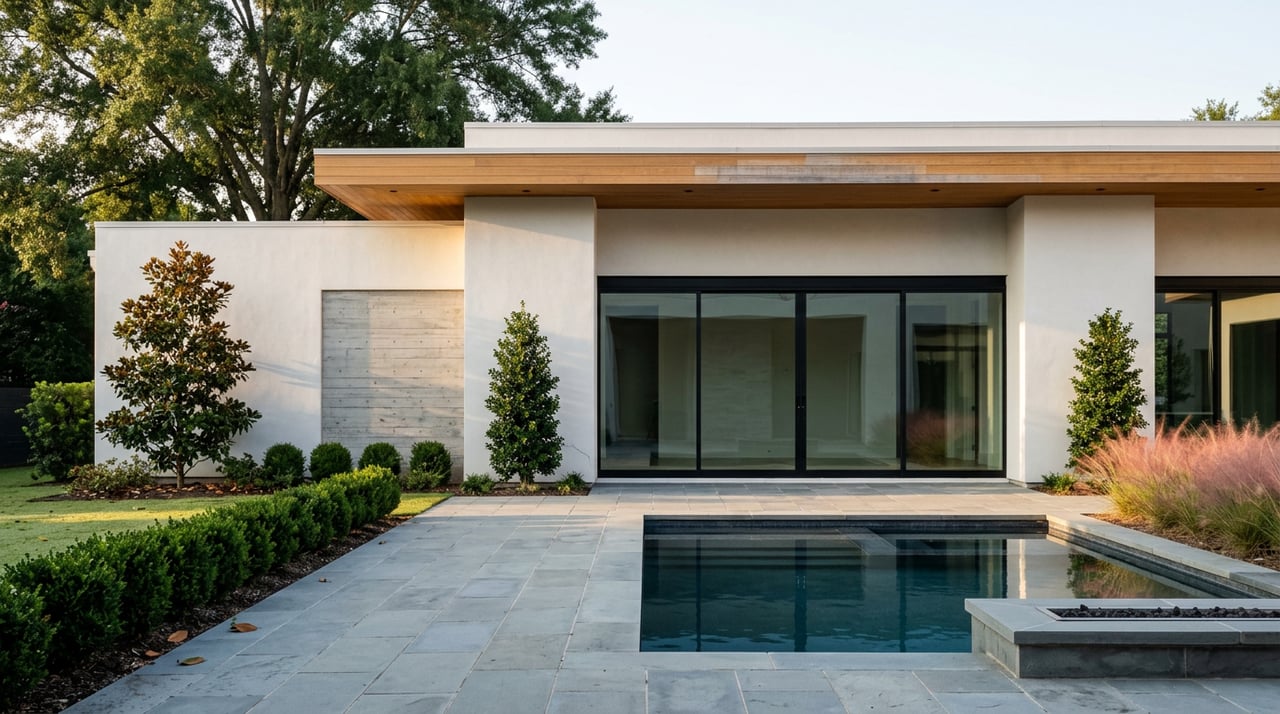
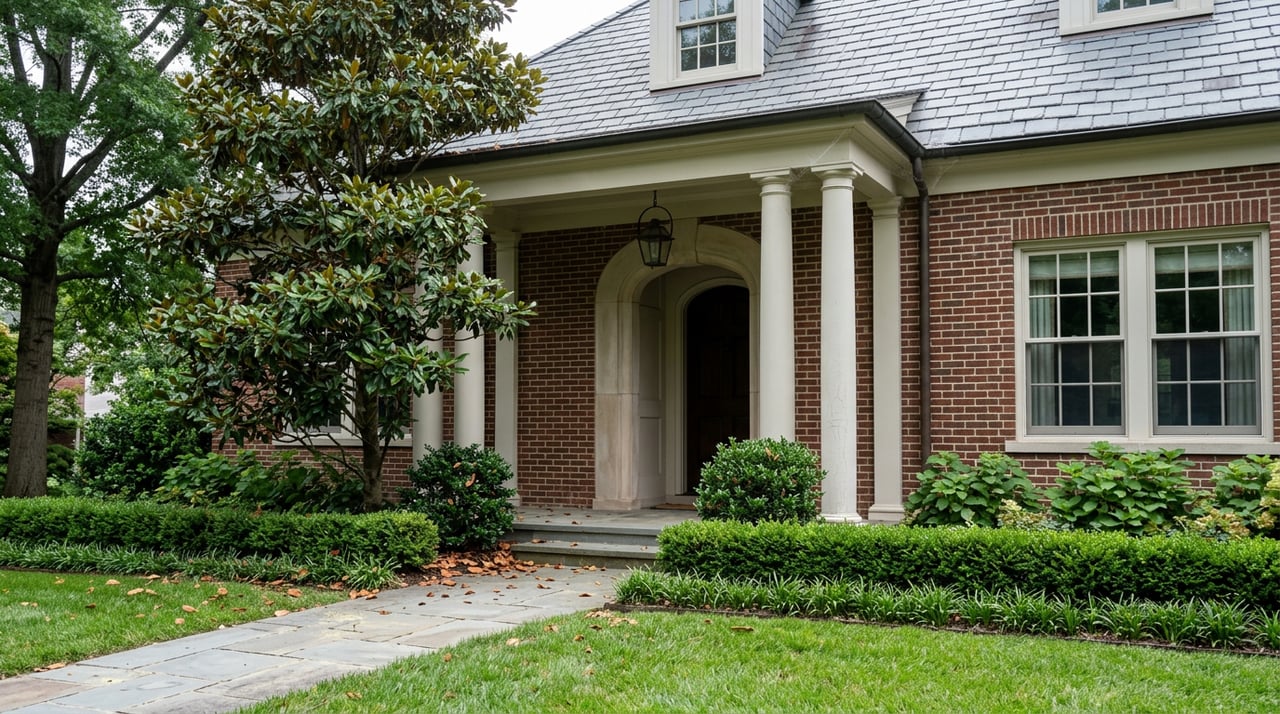
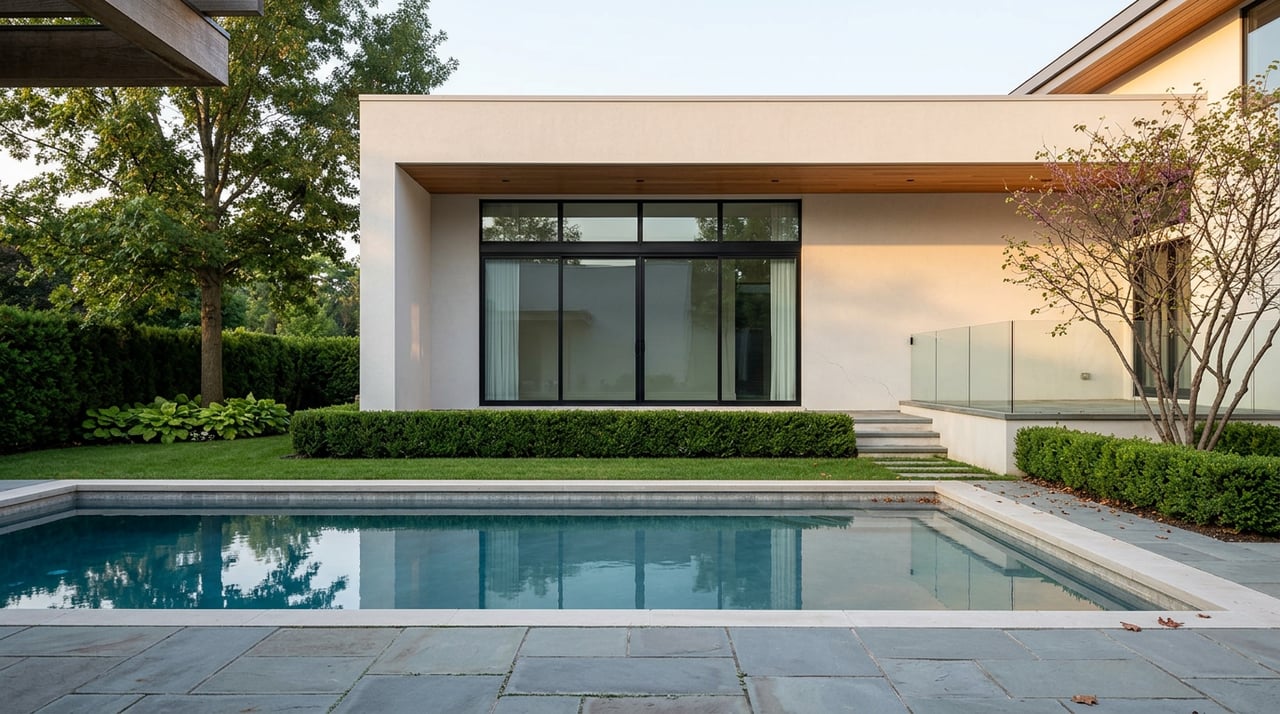
- Home styles: You will find older one-level or 1.5-story cottages, traditional two-story brick or stone homes, and contemporary or luxury builds with large glass walls and multi-level terraces. Modern farmhouse and transitional styles appear in both settings.
- Outdoor spaces: Main channel homes often feature expansive terraces and panoramic window walls to capture views. Cove homes lean into private decks and screened porches oriented to a protected swim area.
Which setting fits your lifestyle
Choose a main channel lot if you:
- Want fast access to primary navigation routes for long cruises and dining by boat.
- Prefer dramatic, big water views and potential sunset or sunrise vistas.
- Have a larger boat or prioritize quick launch and go convenience.
- Are comfortable with more wave action, public visibility, and higher dock maintenance.
Choose a cove lot if you:
- Value privacy, quieter water, and a safer swim area for kids and guests.
- Enjoy paddle sports, relaxed floating, and minimal boat wake near your shoreline.
- Prefer a lower maintenance environment with less exposure.
- Like intimate, tree-framed views and a cottage-like feel.
Smart next steps in Huntersville
- Visit prospective properties at different times of day and week to gauge traffic, noise, and wind patterns.
- Hire a marine contractor to measure depth at the dock and along the approach, and to recommend dock design suited to wave conditions.
- Ask for the property’s dock and shoreline permit history, then verify with the Town of Huntersville and Mecklenburg County.
- Review Duke Energy’s shoreline guidance for Lake Norman, along with HOA covenants if applicable.
- Request recent comparables for both cove and main channel sales in Huntersville to understand pricing differentials.
- Consult an insurance broker about coverage and premiums for exposed versus sheltered shorelines.
When you are ready to walk the shoreline, compare views, and test boat access in person, connect with the team that pairs local intelligence with concierge service. Start your Lake Norman search with Owning Lake Norman and Schedule Your Private Consultation.
FAQs
Is a cove or main channel better for families with swimmers?
- Coves are typically safer and calmer due to reduced boat traffic and lower wave action, which is helpful for swimmers and small watercraft.
Will a main channel lot require a different dock setup?
- Often yes. Heavier pilings, a floating dock designed for larger wave action, the right lift capacity, and shoreline reinforcement are common needs.
How does boat size affect my choice in Huntersville?
- Larger boats and owners who want immediate navigation access often prefer main channel lots, while most family and recreational boating works well in coves.
Do main channel homes appreciate more than cove homes?
- Big water and long-view lots have historically commanded premium pricing and broad appeal, though well-sited cove properties with privacy and amenities also perform well.
How much does wave exposure impact maintenance costs?
- Significantly. More wave action can accelerate wear on docks and shorelines and may increase upkeep and repair frequency.
What permits should I verify before buying on Lake Norman?
- Confirm dock and shoreline permits, review HOA rules if applicable, and understand Duke Energy’s shoreline policies along with town and county requirements.