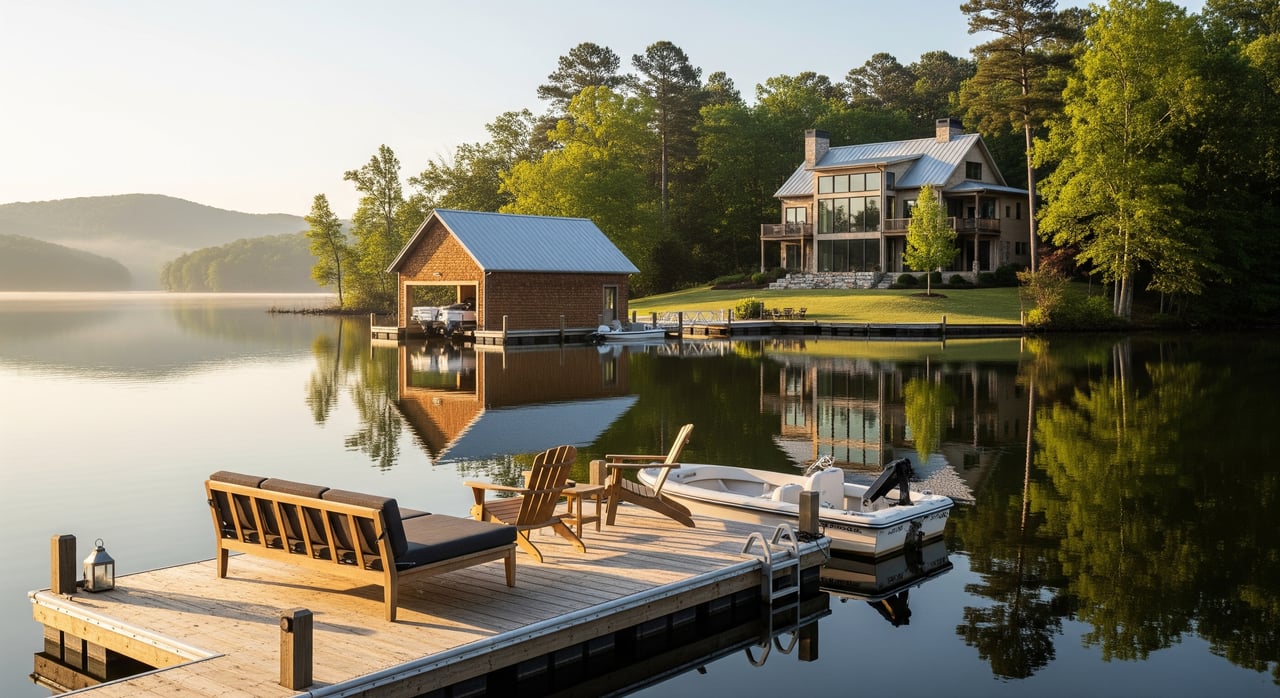
Picture this: a quiet morning paddle from your dock, smooth water under your board, and no surprise wakes knocking your coffee off the rail. If you are shopping the Denver shoreline on Lake Norman, the difference between a no‑wake cove and open water shapes your daily life. You want the right fit for boating, paddle sports, dock care, and resale. This guide explains how no‑wake zones work, where they are likely to be, and how to verify them before you buy. Let’s dive in.
No‑wake basics on Lake Norman
A no‑wake or slow/no‑wake zone means operating at the slowest speed needed to maintain steerage without creating a wake. It is about the effect on the water, not a specific miles‑per‑hour number. You should expect calmer water and reduced wake impacts where these zones are posted.
Duke Energy manages the reservoir and shoreline, sets official slow/no‑wake designations, and posts buoys and signs. Local marine patrols through the Lincoln County Sheriff’s Office enforce those rules on the water, along with state boating laws. The North Carolina Wildlife Resources Commission defines statewide safety standards and education requirements that apply everywhere on the lake.
Where zones are and how to verify
On Lake Norman, no‑wake or slow‑speed areas typically appear in predictable places. You will often see them in narrow channels that connect coves to the main lake, near public ramps and marinas, around island shoals, and along specific shorelines posted by Duke Energy. Some zones can be temporary or seasonal when safety requires it.
Always confirm the current boundaries before you rely on them. Use official Duke Energy Lake Norman maps and look for on‑the‑water buoys when you visit a property. You can also ask Lincoln County Marine Patrol about recent changes and check NCWRC guidance for how “slow/no‑wake” is interpreted. Do not assume a shoreline is protected just because the cove looks calm.
Cove vs open‑water tradeoffs
Choosing between a protected cove and the main channel is a lifestyle decision with real on‑the‑water effects.
Coves and side arms: Pros
- Calmer water with fewer large wakes, ideal for paddle sports and relaxed swimming.
- More privacy with less through traffic in front of your dock.
- Easier, lower‑stress docking for small craft.
Coves and side arms: Cons
- Longer run to reach open water for wakeboarding, tubing, and fast cruising.
- Potential for shallow spots, vegetation, or sedimentation that limit draft at times.
- Busy bottlenecks near the cove mouth on peak weekends.
Open water and main channel: Pros
- Quick access to wide water for towed sports and fast cruising.
- Big open views and long sightlines.
- Often deeper water suitable for larger slips or deeper‑draft boats.
Open water and main channel: Cons
- More traffic, larger wakes, and more engine noise on weekends and holidays.
- Docking can be more technical; structures may need to handle heavier wake action.
- Less privacy as boats pass close by.
How no‑wake affects daily use
Dock durability and maintenance
Less wake energy in posted zones can reduce wear on pilings, cleats, and gangways. That often makes daily docking easier and may lower long‑term maintenance needs. Always verify the property’s Duke Energy dock permit status and review any history of wake‑related repairs.
Boating and watersports
Wake‑creating sports require speed and are not allowed inside no‑wake zones. If you want to launch a tow session from your dock, focus on open water or a cove with a short transit to the main channel. During showings, time the run from the property to open water to see if it fits your routine.
Paddle sports and swimming
Kayaking, paddleboarding, canoeing, and casual swims feel safer and more pleasant in calm, slow‑speed water. Protected coves can make launching easier, especially with a well‑designed dock. If the shoreline is shallow or vegetated, plan for a board rack or ladder that suits the conditions.
Noise and weekend patterns
No‑wake signs reduce wake noise, but they do not eliminate engine sound. Expect weekend and holiday surges across the lake, with the heaviest traffic in main channels and coves near marinas or ramps. Visit during peak hours to hear and see typical patterns before you commit.
Denver buyer due diligence checklist
Use this quick list to confirm the fit of a Denver, Lincoln County waterfront property:
Permits and docs
- Obtain the Duke Energy shoreline and dock permit file and any permitted plans.
- Request seller disclosures on past wake damage, complaints, or enforcement.
- Review HOA covenants for quiet hours and dock or boat operation rules.
- Check title for easements that affect dock placement or riparian rights.
On‑site visits
- Verify visible no‑wake buoys against the latest Duke Energy map.
- Visit on a summer weekend afternoon to gauge traffic, wakes, and noise.
- Time the run from the dock to the main channel for towed sports.
- Check depth at the dock and look for erosion or sediment buildup.
- Talk with nearby owners and marinas about local traffic habits.
Verification and contacts
- Contact Duke Energy for speed zone maps, buoy placements, and shoreline rules.
- Call Lincoln County Sheriff’s Marine Patrol about enforcement practices or seasonal zones.
- Review NCWRC boating rules for safety and operator requirements.
Long‑term costs
- Ask your insurer how wake exposure affects dock coverage and premiums.
- Budget for routine dock maintenance and any shoreline stabilization.
Showings: questions to ask
- Is the current dock fully permitted with Duke Energy, and are there limits on expansion?
- Where are the nearest no‑wake buoys in relation to the dock today?
- How long does it take at idle speed to reach open water in typical conditions?
- Has the dock required wake‑related repairs or reinforcements in recent years?
- Are there HOA rules about hours of use, noise, or guest docking?
Enforcement and dispute basics
Marine patrol units from Lincoln County enforce no‑wake and reckless operation rules through on‑water stops and citations. Penalties can include fines and, for serious or repeat violations, criminal charges under state law. Most wake or docking disputes start with a conversation between neighbors; if issues continue, you can contact marine patrol or use HOA processes to resolve concerns.
Make the right fit on Denver’s shoreline
If your perfect day means sunrise paddles and easy docking, a posted no‑wake cove could be the lifestyle you want. If you live for towing sports from your lift, prioritize quick access to the main channel and plan for robust dock construction. A few focused checks on permits, buoys, transit times, and weekend patterns will help you buy with confidence.
When you are ready to compare specific coves and open‑water stretches in Denver, our team can guide you with on‑the‑water insight and concierge support. Connect with Owning Lake Norman to schedule your private consultation.
FAQs
What is a no‑wake zone on Lake Norman?
- It is an area where boats must operate at the slowest speed necessary to maintain steerage without creating a wake that disturbs other vessels or shorelines.
How do I confirm a property’s no‑wake status in Denver, NC?
- Check Duke Energy’s official Lake Norman maps, look for posted buoys on the water, and verify with Lincoln County Marine Patrol for any recent changes or temporary zones.
Are towing sports allowed from docks inside no‑wake coves?
- No. Wake‑creating activities like wakeboarding and tubing require speed and are not permitted within posted no‑wake areas; you must reach open water first.
Do no‑wake zones reduce dock wear and maintenance?
- They typically reduce wake impact, which can lower stress on pilings and hardware, but you should still review maintenance history and inspect for erosion or sediment issues.
Who enforces no‑wake rules near Denver, and what are the penalties?
- Lincoln County Sheriff’s Marine Patrol enforces rules on the water alongside state law; violations can result in fines and, in serious cases, criminal charges.